

Step into the heart of a Montessori classroom and discover how a thoughtfully prepared environment shapes a child’s independence, confidence, and love for learning. This blog explores how simple elements, order, freedom, and purposeful materials, work together to create meaningful educational experiences. Whether you’re a teacher, parent, or aspiring educator, this insight will help you understand how learning truly begins with the environment.
Walk into a well-designed Montessori classroom, and you’ll notice something different right away. It’s calm, organized, and inviting. Every shelf, every material, every small detail has a purpose. This is what Maria Montessori called the prepared environment, a space thoughtfully designed to support a child’s natural desire to learn.
But what makes it so powerful?
A Space That Teaches Without Words
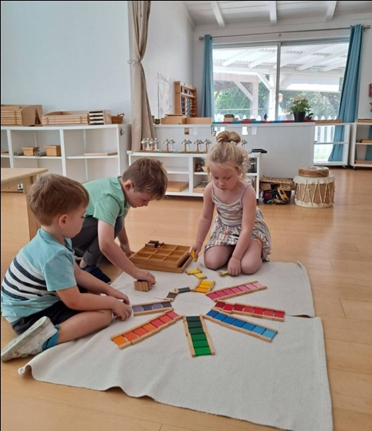
In a Montessori classroom, the environment itself becomes the teacher. Materials are arranged neatly on low shelves, within easy reach of children. This simple setup encourages independence. A child doesn’t need to ask for help constantly, they can choose, explore, and return materials on their own.
Order in the environment creates order in the mind. When children know where things belong, they feel secure and focused. This sense of structure helps them develop concentration and responsibility naturally.
Freedom Within Limits
One of the most beautiful aspects of the prepared environment is the balance between freedom and discipline. Children are free to choose their activities, move around, and work at their own pace. But this freedom comes with gentle boundaries, respect for materials, respect for others, and respect for the space. This balance teaches self-control, not through force, but through experience.
Materials That Invite Discovery
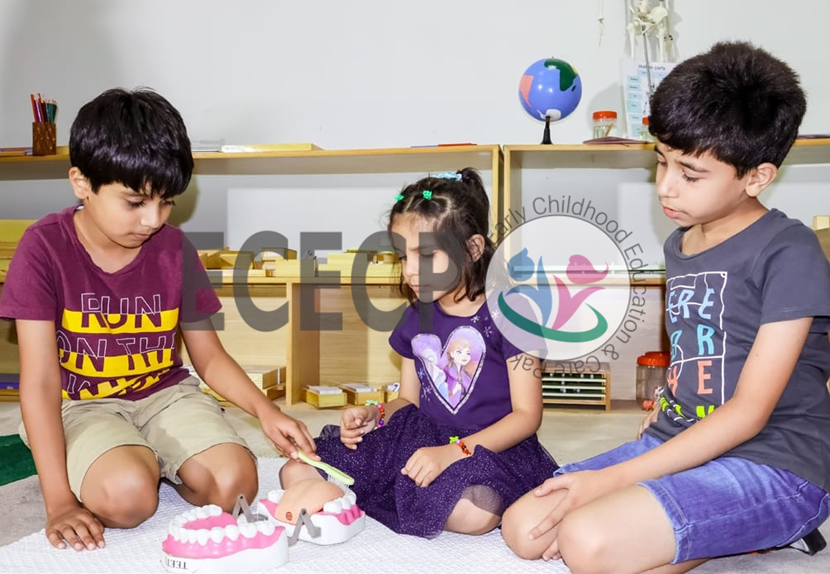
Montessori materials are not just toys, they are tools for learning. Each material is designed to isolate a specific concept, whether it’s size, color,
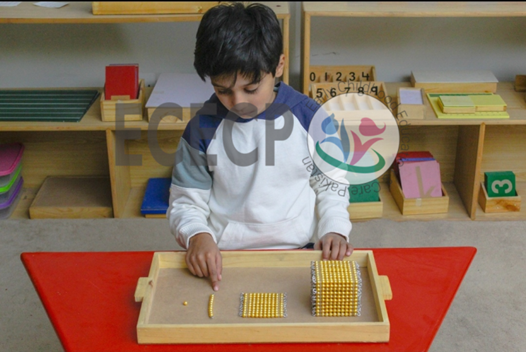
Sound, or number. They are self-correcting, meaning children can identify and fix their own mistakes without adult intervention. This builds confidence. Instead of relying on constant praise or correction, children learn to trust their own abilities
A Calm and Purposeful Atmosphere
A prepared environment is peaceful, not chaotic. Children move with purpose, engage deeply in their work, and respect each other’s space.
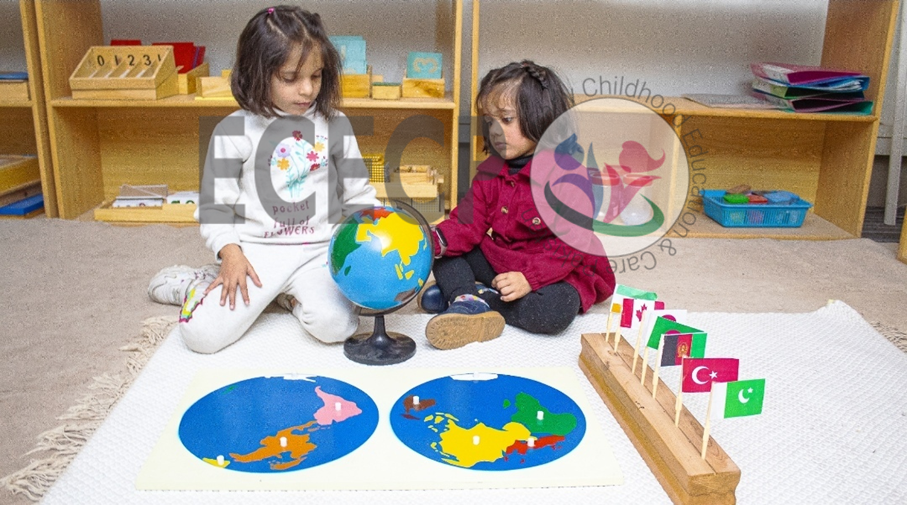
This calm atmosphere supports emotional development as much as academic growth. It teaches patience, focus, and a love for meaningful work, qualities that last far beyond the classroom.
Why It Matters for Teachers
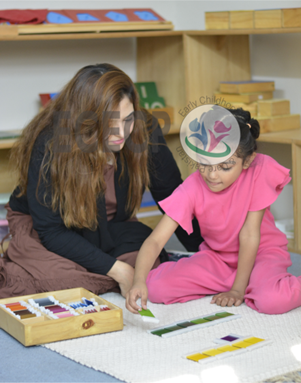
Creating a prepared environment is not about decoration, it’s about intention. Every choice a teacher makes, from furniture placement to material selection, directly impacts how children learn and behave. When done right, the teacher steps back, and the environment takes the lead.
Learn More with ECECP
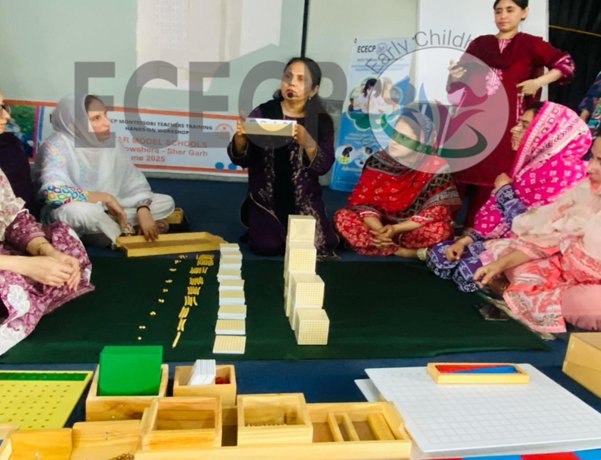
At ECECP (Early Childhood Education & Care Pakistan), we understand the importance of building strong foundations in early education. That’s why one of the core modules in our Early Childhood Teacher Training Program is the Montessori Classroom Guide.
This module helps educators:
Understand how to design a prepared environment
Learn the correct use of Montessori materials
Develop observation and classroom management skills
Apply Montessori principles in real classroom settings
If you’re passionate about shaping young minds and creating meaningful learning spaces, this module will give you the practical knowledge and confidence to do it effectively.