
Language is more than just words, it is emotion, identity, culture, and connection. For a child, language is the first bridge to understanding the world. And in Pakistan, that bridge is meant to begin with Urdu, our national language. Yet today, something important is quietly slipping away.
The Overlooked Reality
In many early childhood settings across Pakistan, the focus has rapidly shifted toward English. While learning English is valuable, it has unintentionally pushed Urdu into the background, especially in the foundational years.
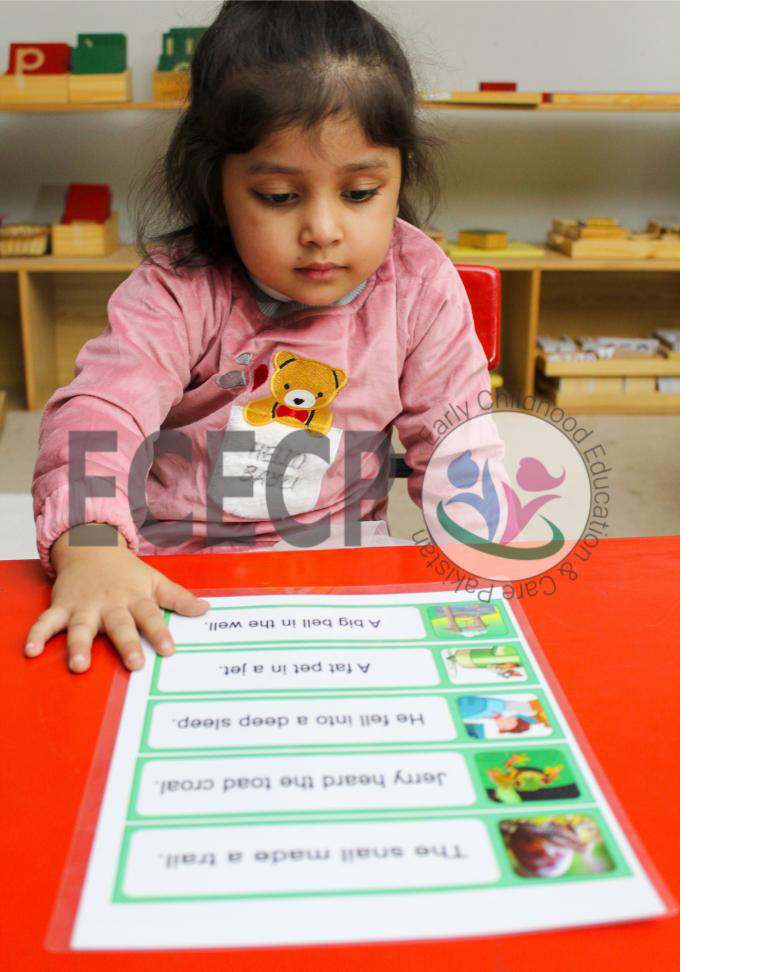
Children are often encouraged to speak, learn, and express themselves in English from the very beginning, even before they fully develop confidence in their own native language.
As a result:
- Expression becomes limited rather than fluent
- Emotional connection to language weakens
Cultural roots slowly fade When a child cannot fully express their thoughts in the language closest to their heart, learning itself becomes restricted.
Why Urdu Matters in Early Years
Early childhood is the most critical stage for language development. This is when children absorb sounds, words, and meanings effortlessly. Teaching in a familiar language one they hear at home, helps them:
- Build strong communication skills
- Express feelings clearly and confidently
- Develop better understanding of concepts
- Stay connected to their cultural identity

Urdu is not just a subject, it is a foundation for thinking, feeling, and belonging.
Language and Emotional Intelligence
Children don’t just learn language, they live through it. Stories, conversations, poetry, and everyday interactions shape their emotional world.
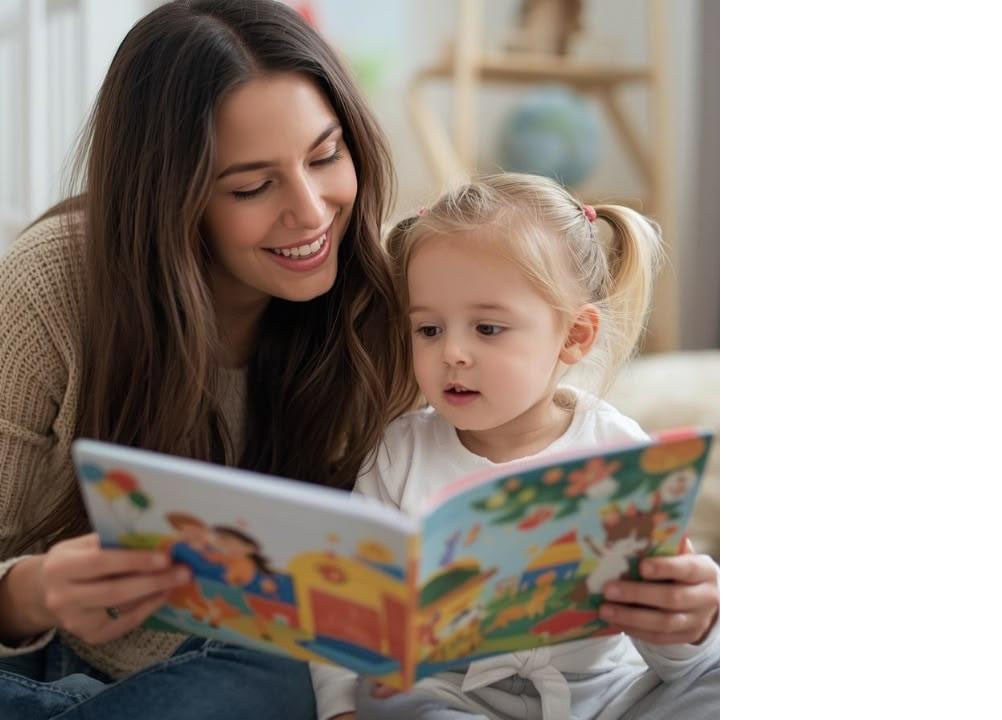
When children hear and use Urdu:
- They relate better to stories and moral lessons
- They connect deeply with family and traditions
- They develop a natural sense of respect and values Language becomes a tool for character building, not just communication.
A Balanced Approach to Learning
This is not about choosing Urdu over English, it’s about giving Urdu the place it deserves. A strong foundation in the mother tongue actually supports the learning of additional languages later.
When children understand concepts clearly in Urdu, they can transfer that understanding into English
more effectively. Confidence in one language builds confidence in another.
ECECP’s Initiative: Preserving Heritage Through Education
At ECECP (Early Childhood Education & Care Pakistan), we recognized this growing gap, and took a step that sets us apart.
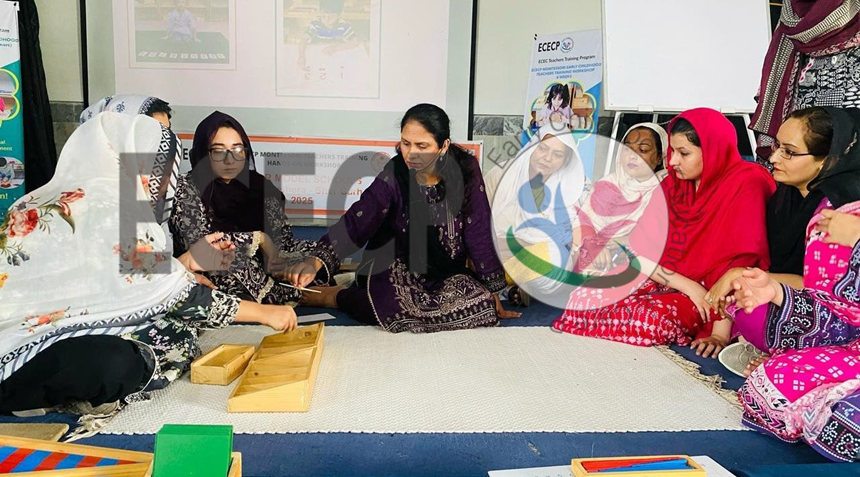
We are proud to be among the first in Pakistan to introduce a dedicated Urdu Language Development module in our Early Childhood Teacher Training Program.
This module is designed to:
- Help educators understand the importance of Urdu in early learning
- Provide practical strategies to develop Urdu language skills in children
- Integrate storytelling, conversation, and activities in Urdu
- Preserve and promote our national language in modern classrooms
Shaping Confident, Rooted Learners

Our goal is simple but powerful: to raise children who are not only educated but also connected, to their language, their culture, and their identity.
Because when a child speaks with confidence in their own language, they don’t just learn better, they grow stronger. At ECECP, we believe that preserving Urdu is not just about language, it’s about preserving who we are.